
What Really Shapes a Custom Home in Bellevue
We often think of custom homes as the purest expression of design intent — where creativity, budget, and client vision align seamlessly.
But in practice, what ultimately shapes a house is rarely what we imagine at the outset.
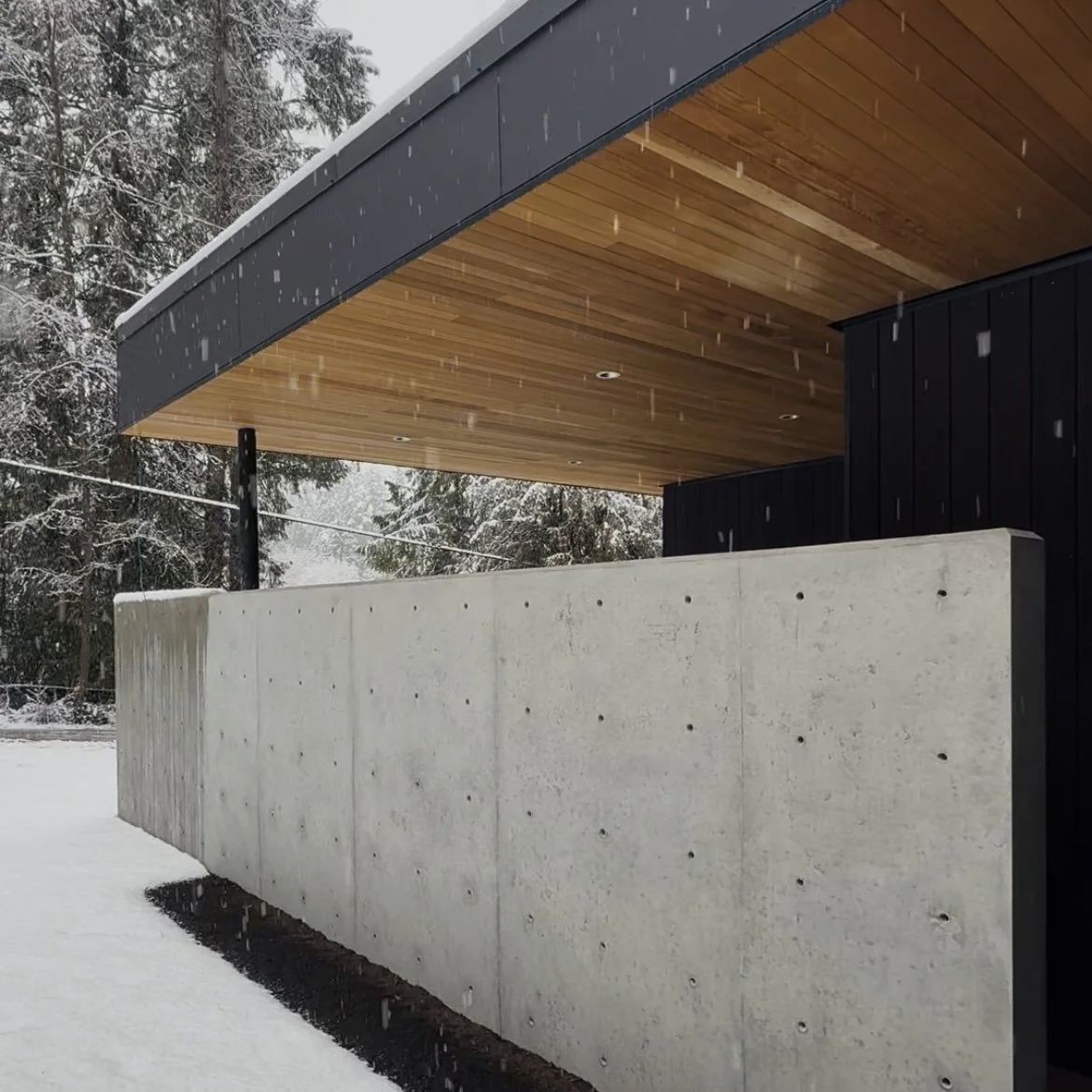
In a recent custom home project in Bellevue, with an estimated value approaching $6 million, the design process was defined less by freedom and more by negotiation — not only with the client, but with a layered system of constraints embedded within the site and the city.
Some constraints are immediately visible: budget, program, aesthetics.
Others remain largely invisible until the project begins to take form — operating quietly, yet decisively.
Zoning parameters such as setbacks are typically understood as fixed boundaries. In reality, they interact with topography, easements, and access requirements to produce a shifting field of limitations that reorganizes not just the building footprint, but circulation patterns, massing strategies, and spatial hierarchy.
Environmental systems introduce another layer of structure. Stormwater management — often reduced to technical diagrams of dispersion trenches and flow paths — begins to influence grading logic, landscape formation, and ultimately how architecture meets the ground. These systems do not simply constrain design; they actively construct spatial relationships.
Infrastructure operates with similar, if less visible, authority.
Utility networks — including water service capacity, sewer alignment, and power distribution — function as underlying frameworks that quietly reorganize spatial decisions. They can alter entry sequences, compress or expand mechanical zones, and in some cases determine whether certain architectural moments are even possible.
What emerges is a different understanding of “design.”
Not as a singular act of authorship, but as an ongoing negotiation between interdependent systems — regulatory, environmental, and infrastructural — each carrying its own internal logic.
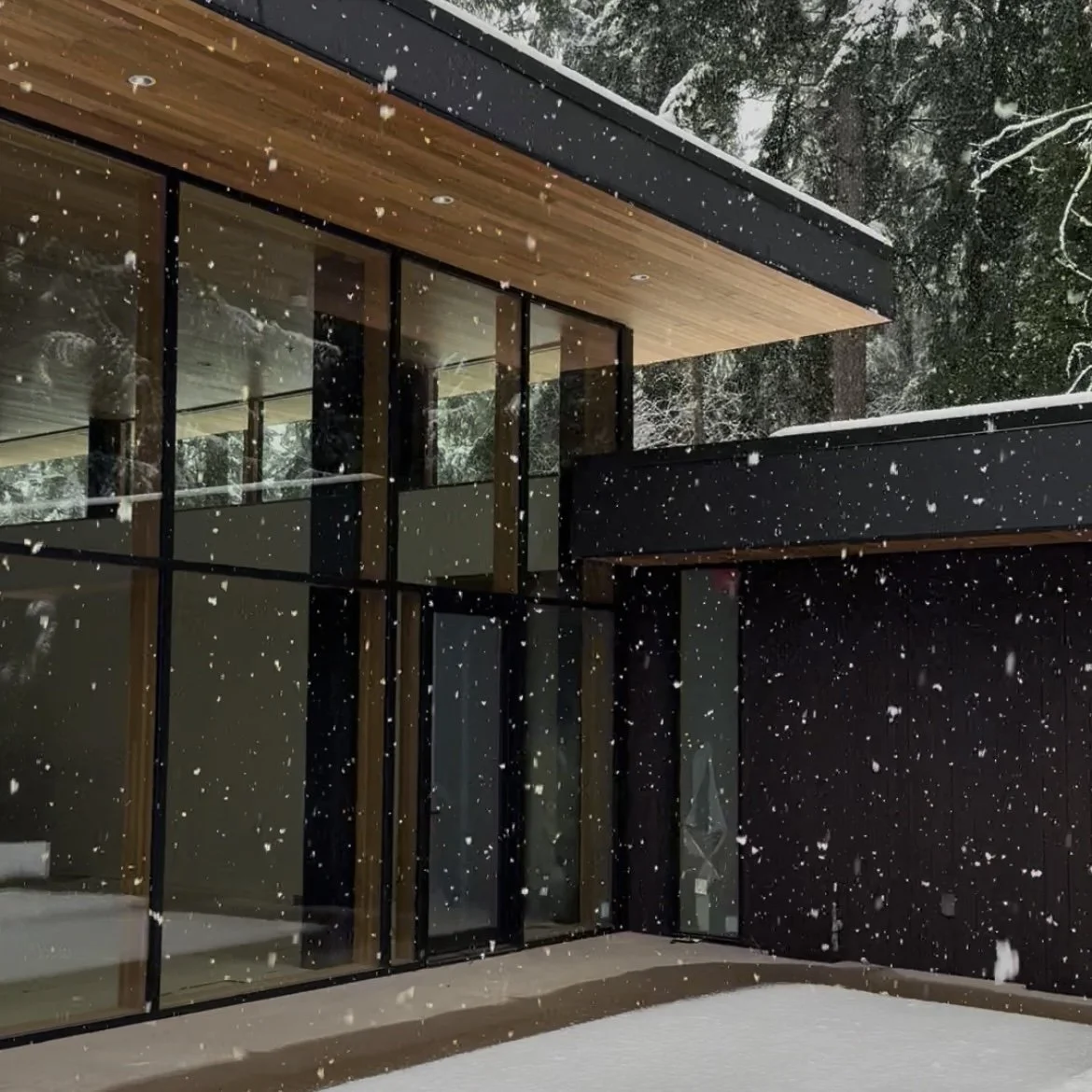
In this context, the role of the designer-builder is not simply to impose form, but to navigate these systems with clarity and precision. The outcome is not a compromise in the conventional sense, but a synthesis — one in which constraints are not merely limitations, but active agents in shaping the architectural language of the project.
In regions like the Pacific Northwest, where regulatory frameworks and environmental systems are particularly intertwined, these constraints do more than limit design — they begin to define the spatial and architectural logic of housing itself.
Perhaps the question is not how to design despite constraints, but how to design through them.